The U.S. Government on Saturday, advised Nigerians to explore the importance of photography.
Mr Russel Brooks, Public Relations Officer, United States Consulate General, gave the advice during the 2018 Lagos Photo Festival.
The festival took place at African Artists’ Foundation at Victoria Island, Lagos.
He said that partaking in photography could help in boosting the country’s image to the international community.
“Photography is very essential in our daily activities and Nigerians must explore the importance of this as the world had evolved.
“By showcasing the various cultures and unique things that the country has, it would help in boosting its image and showcasing the unique culture of the country.
“Nigerians must take advantage of this because photography is a vital part of the world and they must partake in it,’’ Brooks said.
He said that the festival would help foster better understanding between the U. S. and Nigeria.
“The festival would help to boost the understanding between both countries and human capital must be shared.
“One of the way of doing that is through this photo festival.
“Also, the festival would show the unique beauty of this country and to give Nigerians the opportunity to see the essence of photography, ‘’ Brooks said.
He said that the U.S. would also initiate programmes that would help the people in the country.
Mr Azu Nwagbogu, Director, African Artists Foundation, said that photography was a time capsule that could stand the test of time.
“Photos capture the moment and ensure that that moment is cherished for a lifetime; so taking photos is really important.
“The festival is to display the various places and landscapes of the country and to show the world that Nigeria has unique places.
“It would also help to dispel some of the negativity that is attached to the country,’’ Nwagbogu said.
Mrs Roselyn Thomas, a Tourist from the U.S., told NAN that Nigerians had great talents.
“Nigerians are great people with great talents and all these photo exhibitions just go to show that.
“I’m amazed with what I’m seeing today. Its amazing and awesome, ‘’ she said.
NAN reports that 22 artists participated in this year’s edition with over 42 works showcased during the festival.
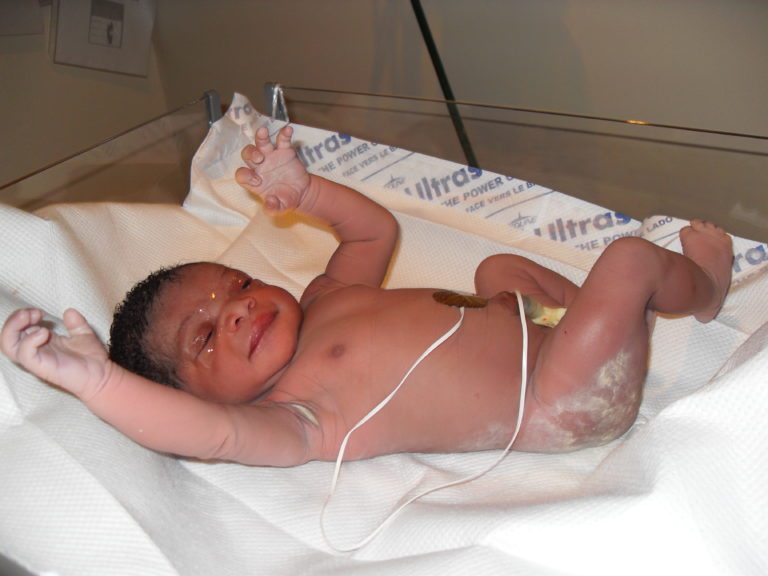
Nigeria’s Minister of Health, Prof. Isaac Adewole, has commended Coca Cola Nigeria’s Safe Birth Initiative (SBI), saying it is a laudable project toward achieving reduction in the country’s high maternal mortality indices.
Adewole, represented by Dr Adedamola Dada, Chief Medical Director, Federal Medical Centre (FMC), Ebutte-Meta, Lagos, said this at a stakeholders workshop on Saturday in Lagos with theme: “Enabling Safe Birth in Nigeria’’.
The event was organised by the SBI sponsored by Coca-Cola, in partnership with the Federal Ministry of Health, the Office of the Senior Special Assistant to the President on Sustainable Development Goals and an NGO, Medshare International Inc.
The News Agency of Nigeria (NAN) reports that according to the National Demography and Health Survey (NDHS, 2013), Nigeria loses as many as 576 women per 100,000 childbirths.
Also, the country records 37 newborn deaths per 1,000 live births, placing the country among the worst ratios for both maternal and newborn deaths globally.
Consequently, the Safe Birth Initiative, aims to support the attainment of the SDG targets on maternal and newborn deaths reduction.
It focuses on strengthening the capacity of selected public hospitals through procurement of vital maternal and neonatal medical equipment and supplies.
It also focuses on training biomedical engineering technicians to improve equipment maintenance and uptime and reactivating a large stock of abandoned medical equipment wasting away in public hospitals.
Adewole said: “We have always believed that our healthcare would improve with active collaboration and partnership from the private sector.
“The Safe Birth Initiative is a good example of such a partnership.
“Meticulous planning and identification of the needs of the beneficiary hospitals have been carried out with active involvement of partners and beneficiaries.
“We commend our partners on this programme, Coca-Cola, the SDG Office, Medshare International and the Engineering World Health, and use this opportunity to call on other private sector players to join us in this battle to free our nation from diseases and major challenges in maternal and childhood health,’’ he said.
Also, the Senior Special Assistant to the President on SDGs, Princess Adejoke Orelope-Adefulire, said that the Coca-Cola Safe Birth Initiative is working toward the third Sustainable Development Goal – Health and Wellbeing for all, including our mothers and our children.
Orelope-Adefulire, represented by Dr Bala Yusuf, said: “This partnership is a classic example of what we can do when we combine our expertise and resources in support of the 2030 SDG agenda.
“We hope this event will strengthen our resolve to continue to work together as policy makers, development practitioners, academics, but more importantly as concerned citizens, in support of the 2030 agenda of the sustainable development goals,’’ she said.
In his remarks, Mr Clem Ugorji, the Public Affairs and Communications Director for Coca-Cola West Africa, shared highlights of the SBI rationale and implementation plan.
According to him, “In addition to completing the first batch of the biomedical engineering technicians training, the consignment of equipment and supplies required for the National Hospital, Abuja, has been fully delivered.
“The consignments for Federal Medical Centres in Ebute-Metta and Owerri and General Hospital, Alimosho, Lagos, are scheduled to arrive in the coming weeks.
“The needs assessments are ongoing at six other approved hospitals to determine their specific needs,’’ he said.
Ugorji said that Coca-Cola’s commitment goes beyond donating equipment.
“Through the SBI, the company hopes to promote effective maintenance culture by empowering biomedical engineering technicians with the knowledge, skills, tools and confidence to take responsibility for ensuring maximum uptime for the new equipment.
“It also aims to empower them on reactivation of abandoned biomedical equipment in the target hospitals.
“There is a limit to what our doctors and nurses can do with just their skills and passion, in the absence of the vital life-saving equipment required for effective diagnosis, testing and treatment,” Ugorji said.
NAN reports that the workshop also marked the completion of the maiden SBI capacity training for 20 biomedical engineering technicians from 10 leading medical institutions across the country.
The institutions comprise university hospitals, federal medical centres and general hospitals.
The two-week training was conducted by US-based Engineering World Health (EWH) at the School of Biomedical Engineering, Lagos University Teaching Hospital.
The workshop also had a panel discussion session that shed light on the challenges of maternal and newborn healthcare in the country; the national SDG targets on maternal and child health.
It also discussed the measures government is taking to meet these targets, as well as how the SBI will support these measures.
The discussants included Prof. Chinyere Ezeaka, Past President, Nigerian Society of Neonatal Medicine, Dada, Bala and Ugorji.
Others present were Adesuwa Onyenokwe, Editor, Today’s Woman; Prof. Carmen Walker, Chief Operating Officer, Nigeria BMET Programme, Engineering World Health, and Mr Eben Amstrong, Director of Biomedical Engineering Training and Technical Service, Medshare International.
The official launch of the Safe Birth Initiative and inauguration of the first set of SBI equipment in the country would be performed by the Minister of Health, Prof. Isaac Adewole, at the National Hospital in Abuja next week. (NAN)
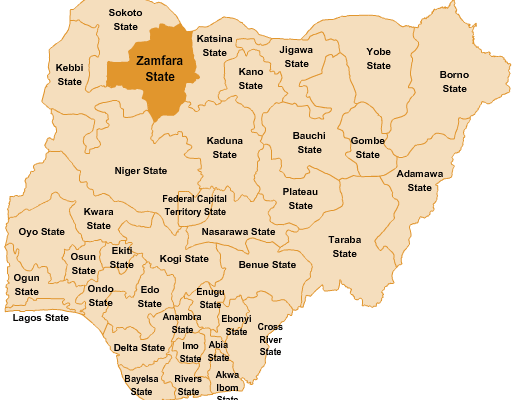
Rampaging gunmen in their dozens on Friday stormed and attacked Gurbin Bore village of Zurmi local Government area of Zamfara state, NorthWest Nigeria, killing no fewer than six persons, including a Policeman.
The rampaging gunmen also caused wanton destruction in the village by setting ablaze at least 15 shops and destroyed 13 vehicles during the attack in the village, which lasted over two hours.
A victim, Manir Salihu who escaped told AFRICA PRIME NEWS that he was relaxing around the town market square when the assailants stormed the village and began shooting, which led to the death of some people including a Police man.
He said the gunmen opened fire on his car, which was parked close to where he was, breaking all of the car windscreen and glasses.
“I was lucky because I crawled unnoticed, I believe if they had seen me they would have shot me dead, but Alhamdulillah I am alive today,” he said.
The Vice Chairman, Zurmi local government area, Abubakar Dauran confirmed the incident, describing it as unfortunate and called for drastic action to curb the killings.
“The gunmen set ablaze some shops, where food stuffs were sold and also shops in the town market. They also burnt some vehicles”, he said.
The Police Public Relations Officer (PPRO), Zamfara State Police Command, SP Mohammed Shehu also confirmed the attack on Gurbin Bore Village.
The Spokesman said on 26th October, 2018 at about 21:15 hours, unidentified armed men numbering about 100 suspected to have come from Dumburum forest attacked Gurbin Bore Village and engaged the combined teams of Counter Terrorists Police Mobile Force and FSARS personnel stationed in the village.
He added that reinforcement from other tactical units of the command and military forced the attackers to flee into the bush.
“Sadly enough, six persons including a serving police Corporal attached to Gurbin Bore Police outpost lost their lives. Three injured persons were conveyed to hospital for treatment. However, 11 Vehicles including police vehicle, 3 motorcycles, and 5 kiosks were set ablaze by the hoodlums,” he said.
Shehu stated that the Commissioner of Police, Usman Belel had visited the scene and called for calm, while the command was doing everything possible to safeguard lives and properties in the area.
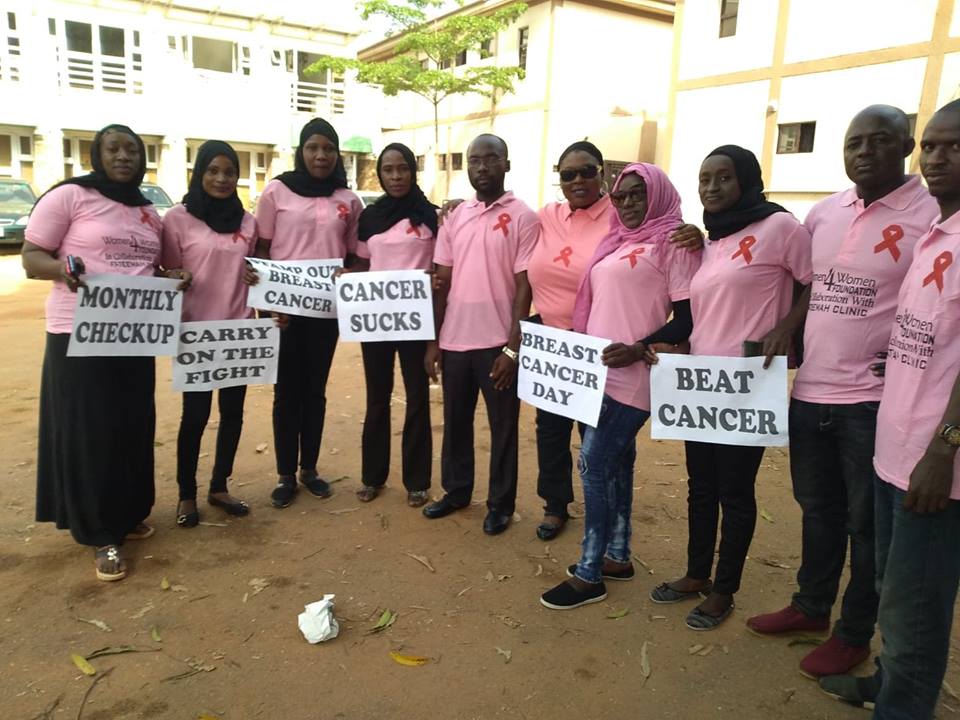
The cancer awareness team members for Women 4 Women
Ibrahima Yakubu
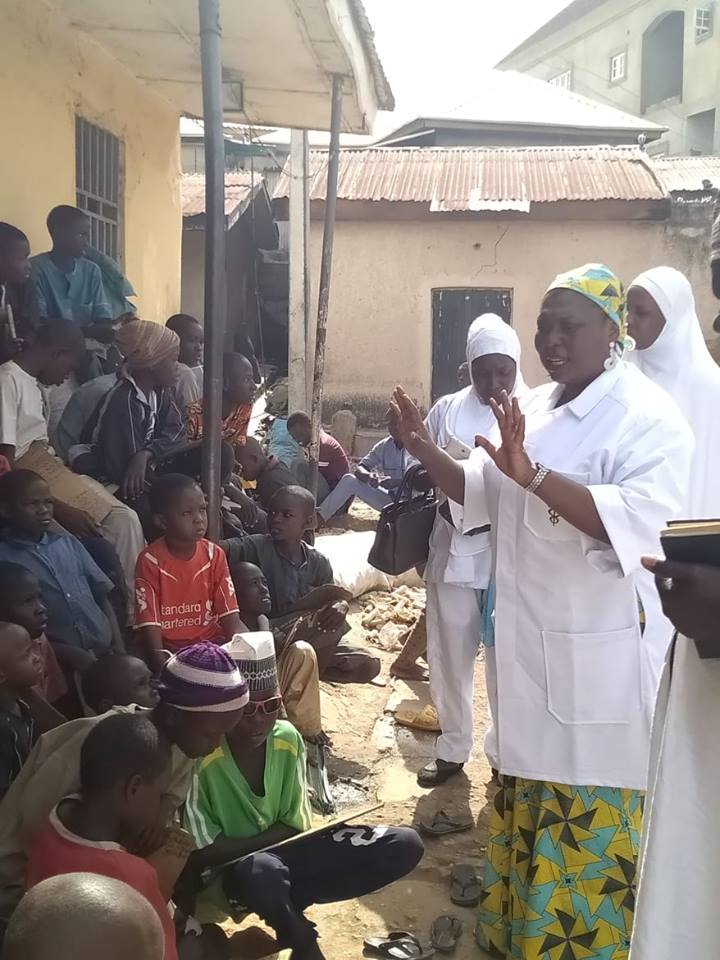
Founder of a Non -Governmental Organisation (Women 4 Women), Maryam Abubakar has mobilised some medical personnel to sensitise destitute in Kaduna on signs and symptoms of breast cancer and its preventive measures.
The personnel include doctors, nurses and other volunteers.
At a Destitute Home on Kano Road, in the city Centre, Maryam noted that majority of the women there were ignorant of what breast cancer was all about.
She described breast cancer as the most common invasive ailment in women, and the second main cause of deaths in women, after lung cancer.
“We came to meet with breast cancer survivors, and to meet with other women in the house, so as to give them medical advice“
“We also came to meet with other women which are street beggars, blind women and other ones in the house,in order to sensitise them on preventive ways. ”
We must join hands to raise more awareness to this category of women in view of the health challenges they face.
Maryam added that awareness of the symptoms and the need for screening are important ways of reducing the risk among women.
Maryam however explained that the treatment depends on the type of breast cancer, the stage of the cancer, sensitivity to hormone, and the patient’s age, overall health, and preferences.
She listed some preventive measures to include avoiding excess alcohol consumption ,getting enough exercise.
Lecture to the destitute in Kaduna city on breast cancer
She announced that the organisation (Women 4 Women) was planning to take the campaign to secondary schools as well as higher institutions across the state.
One of the women in the destitute home , Maryam Musa after the campaign, thanked the organisation for remembering them
Maryam said ,no one had ever come to the house of Destitute to educate them on breast Cancer,
“There are some women in the house that are having breast cancer diseases and they are afraid of coming out due to lack of awareness.”
Also, Samaila Abdullahi ,one of the leaders of the Kaduna State Association of persons with disability said they were really grateful for the lectures hoping that one day the Ministry of Health would remember them.
He also called on other NGOs, CSOs, UNICEF and other Humanitarian organisations to remember persons with disability in every thing thing they do.
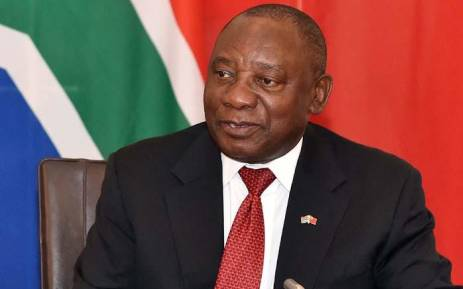
The inaugural South Africa Investment Conference has secured nearly R290 billion worth of investment announcements for the country.
“This R290 billion is what we have now in our hands and these are in addition to the R400 billion which were received during the investment drive by the special envoys and from various countries during state visits which we still need to button down,” said President Cyril Ramaphosa as he thanked investors.
The President was speaking at the Investment Conference held at the Sandton Convention Centre on Friday.
The R290 billion investment brings South Africa one step closer to achieving its target of securing $100 billion in the next five years.
President Ramaphosa thanked the 1050 delegates in attendance for putting their weight and money behind the country’s vision to grow the economy and create jobs.
Investment announcements were made from companies in mining, forestry, manufacturing, telecommunications, transport, energy, agro-processing, consumer goods, pharmaceuticals, infrastructure, financial services, energy, ICT and water.
Among the investments were Sanral which pledged R9.5 billion, R40 billion was committed by NAAMSA, Aspen with R3.4 billion, Vodacom R50 billion, Acwa power R9.6 billion and R29 billion from the New Development Bank.
But the proof is in the pudding, said President Ramaphosa, who told the conference that government would track the impact of the investments and their ability to maximise on job creation.
Thanking investors at the closing of day two of the conference, he said gatherings such as this have changed the tide in the country.
“Through these various conferences, the gulf and the distance that has been there between business and government, and business and labour is reducing. It is through these engagements that we have been able to talk frankly and discuss solutions openly,” he said.
Clearing the path for more investment
In a bid to further draw investments, delegates at the conference entered into breakaway sessions where a total of R10 billion was raised collectively.
During the breakaway session on energy, R1 billion worth of investment in LPG gas pledged by Bidvest.
Delegates not only pledged more money at the sessions but also looked for possible solutions to bureaucratic challenges that might stifle investors.
During the plenary session on agriculture, funding for emerging farmers was noted as critical to ensure growth in the sector. The session also engaged on the need for transformation in the agriculture and fisheries sectors.
With regards to land reform, Agriculture, Forestry and Fisheries Minister Senzeni Zokwana said that the plenary session had stressed that land reform must be undertaken in a manner that does not affect food production.
The need for collaboration between the Agriculture and Water and Sanitation Departments in an effort to assist farmers with access to water was also raised. Delegates lamented the time it takes to secure water use authorisation.
Giving feedback on the plenary session on tourism and film, Minister Derek Hanekom said while delegates agreed that tourism and the film industry have massive investment potential, the challenge of how to translate this potential into numbers remains.
The plenary session gave the thumbs up to the introduction of an online application system and announcement of visa waivers with countries like Egypt, Morocco, Tunisia, Ghana, Cuba and Iran, as they will boost tourism.
The revision of the unabridged birth certificate policy by Home Affairs – that now exempts foreign nationals from presenting documentation – was also welcomed as a step in the right direction.
In concluding day two of the three-day Investment Conference, President Ramaphosa told delegates that government is in talks to make the conference an annual event.
Day three of the Investment Conference will see the President take to Vilakazi Street, Soweto to showcase some of the opportunities presented by the local township economy.
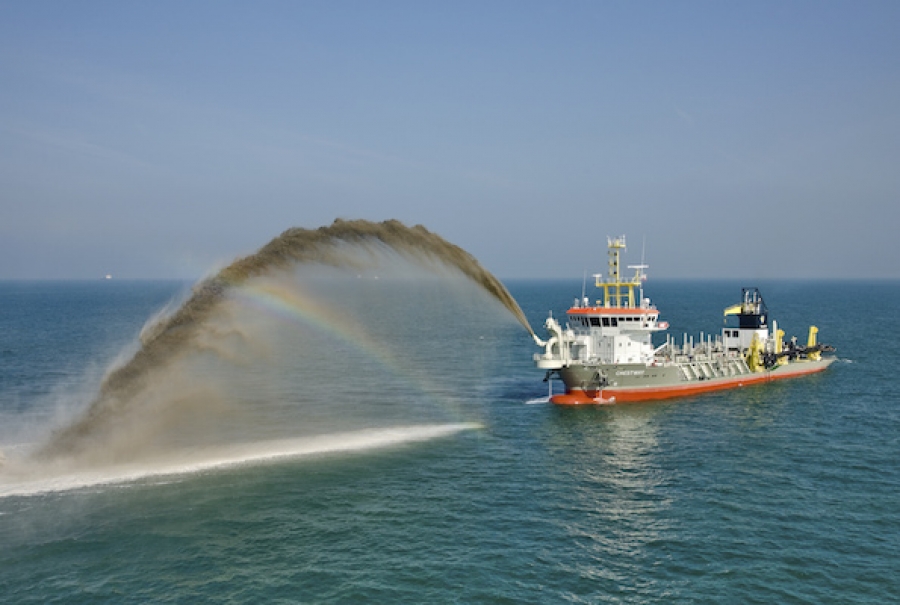
Efforts by successive administrations to implement the national transport master plan that will see to the dredging of Nigeria’s inland water ways could not be achieved because some powerful interests are opposed to it, Speaker of the House of Representatives, Yakubu Dogara, has said.
Speaking when he received the Managing Director of National Inland Waterways Authority (NIWA) Senator Adeleke Olurunnimbe Mamora in his office, Dogara disclosed that in the last three years, he had taken up the issue of implementation of the national transport master plan at different times and at the highest levels with different people ,but his efforts hit a brick wall.
At a point, according to him, he was told that the Chinese had handed down a negative verdict on the project saying it was not feasible and useless.
Recalling how the national transport master plan was conceived by the Olusegun Obasanjo administration, Dogara said: “I was part of the development of the national transportation master plan, I don’t know what has happened to that, how I wish we implemented that plan, by now we would have gone very far because the national transportation master plan vision is a seamless integration of a multi model transportation into one hub, and I think at that time Baro in Niger State had been identified as the center for the hub, it is serviced by a railway that is connected to Minna and all you need to do is to construct a road and airport that will ensure connectivity and you will have access to the Atlantic Ocean through the River Niger, so everything was supposed to be put together in one place.
“I am aware that some people in the sector are of the opinion that we do not need the inland waterways transportation in this country. I have had discussions with some of them, like I said I have been an advocate of this for long, and they said that the Chinese said it is useless, even if we develop it. But that’s the irony, if you look at other countries who do not even have this potential for inland waterways transportation, they have even done man-made inland waterways and even lakes, they have created artificial ones. While in this country, having been blessed with this wonderful resources by Mother Nature, by God we tend to look the other way and believe they will not serve any useful purpose.”
“There are some people within the sector who do not want some of these initiatives to see the light of day. But because I’ve converted my self so if they are fighting against you, they are fighting against me, and it would be very difficult for them to succeed because of the good will that propels us,” the Speaker further assured the NIWA delegation.
He also highlighted some of the values that can be generated from inland waterways transportation saying, “imagine the millions of metric tonnes of goods that would be lifted off our highways and put on the berth of ships that would ply these inland waterways. That would mean our roads can last 50 years as it is in other climes. That would also translate into safety on our highways as well.”
The Speaker said it was in realization of the importance of the sector that the House passed the NIWA amendment Bill which repealed moribund laws governing the agency’s activities to enable it achieve its mandate which is now awaiting concurrence by the Senate.
Responding, Senator Mamora commended the Speaker for how he has been able to manage the House of Representatives and said he was in the Speaker’s office to solicit his support and that of the House of Representatives because the legislature provides the ways and means for good governance and the passage of the NIWA amendment bill.
The current crisis rocking the ruling All Progressives Congress (APC) in Zamfara state, is getting messier as Governor Abdul’Aziz Yari Abubakar led party, organised protests for the sack of the party’s National Chairman, Adams Oshiomhole.
The party supporters drawn from the 14 local government areas converged at the party State Secretariat,Gusau, after the peaceful protest carrying placards around major streets in the State capital with different inscriptions demanding the immediate sack of Oshiomhole
Addressing the party supporters, the Chairman APC Gusau local government, Babangida Abdullahi said Adams Oshiomole had turned the party into his personal estate and doing what he feels like without consulting with the party National Working Committee ( NWC).
Abdullahi who is also the Secretary, Forum of APC Chairmen, Zamfara state said the leadership of Adam Oshiomhole had only brought disunity instead of unity among members.
“We distrust him, he is not honest and we pass vote of no confidence on him(Adam Oshomhole)”, he said.
Also speaking after receiving the protest letter for onward delivery to President Muhammadu Buhari, the State APC Chairman, Lawal Muhammad Liman represented by the secretary, Sani Musa assured the protesting supporters that their letter would be channelled to the appropriate body for necessary action.
AFRICA PRIME NEWS reports that the face -off between Governor Yari and Oshiomhole began with the insistence of the APC National Working Committee (NWC) for the state to adopt Direct Primary mode as against the Indirect mode which the Yari led APC in the state had wanted to use for the selection of an ‘anointed ‘ governorship aspirant, Mukthar Shehu Idris, the State Commissioner for Finance.
Another, bone of contention between the Yari led APC and the APC National headquarters is the refusal of NWC to accept the list of candidates presented by the state , insisting that no primaries took place in the state despite the claim by Governor 1 Yari that the party held primaries before the 7th October, deadline set by the Independent National Electoral Commission (INEC) for the conduct and submission of names of party candidates.
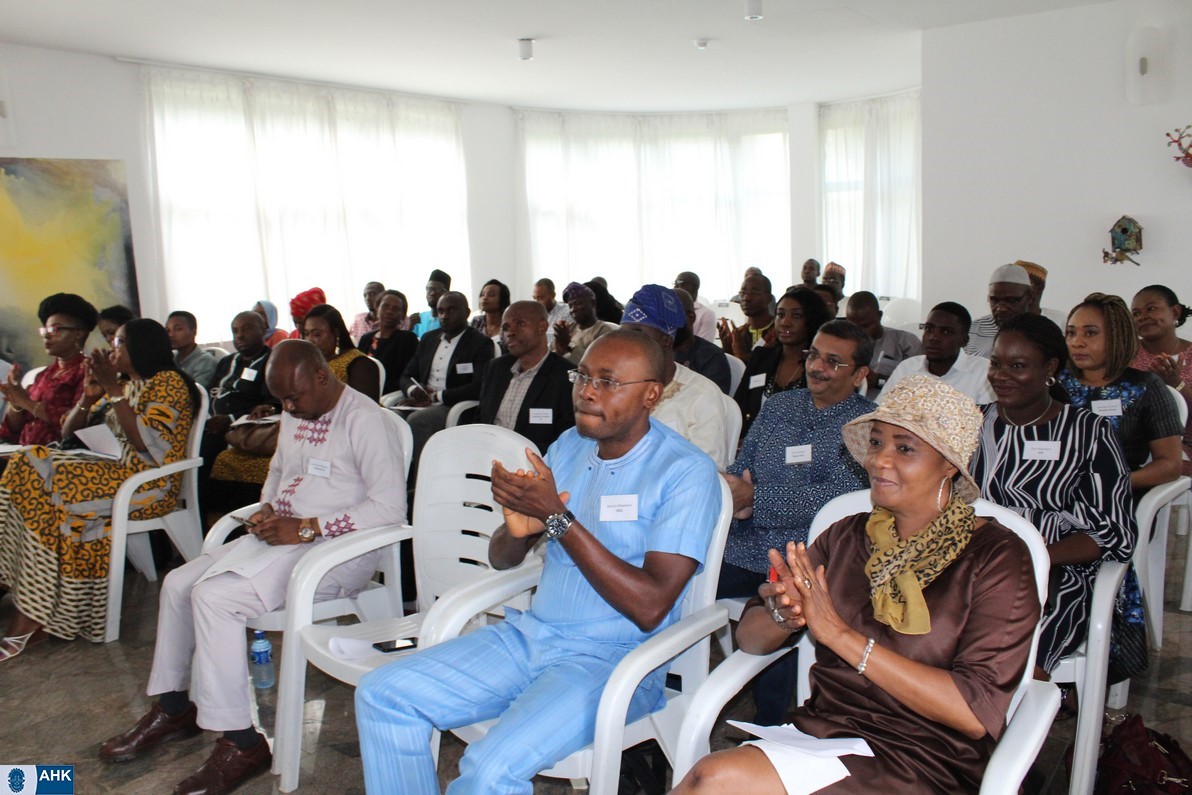
Participants at an Electricity Seminar organised by German Embassy in Abuja, Nigeria
Participants at an Electricity Seminar organised by German Embassy in Abuja, Nigeria
By Seyifunmi Adebote
At 7000MW, Nigeria still lacks the needed capacity to cater to her power needs across the country and with over 90 million people without access to electricity.
It is against this background stakeholders gathered to discuss and adequate financing Nigeria’s Power sector, as well as, explore other innovative sources of power generation for the nation’s development.
This was the central theme of discussion at the 16th edition of the Seminar series on Renewable Energy Potentials in Nigeria tagged “Renewable Energy Financing” hosted by the Embassy of the Republic of Germany and the Delegation of German Industry and Commerce (AHK Nigeria) in Lagos and Abuja.
The Executive Director of Rural Electrification Fund (REF) Dr. Sanusi Ohiare made a case for off-grid (rural) renewable electrification in a presentation on “Off-grid Investment and Funding Opportunities in Nigeria”.
Ohiaren stated that the Federal Government of Nigeria, through her Rural Electrification Agency is responsible for implementing and supporting off-grid initiatives.
He further announced the agency’s launch of four pilot projects aimed at electrifying over 50,000 shops in the economic clusters of Markets, Shopping Plazas/Complexes and Agriculture/Industry through the Energising Economies Initiative.
In another presentation, Off-grid Renewable Energy Financing, Mr. Dozie Okpalaobieri, an Energy Sector Policy and Regulations Specialist at the African Development Bank (AfDB) posited that Nigerian businesses spend almost $14 billion (N5 Trillion) annually on an inefficient power generation model that is also expensive and unclean.
According to. Okpalaobieri, “scaling up Off-Grid solutions and making it commercially viable will unlock a huge market opportunity not just for Nigeria, but in sub-Saharan Africa.
There is a framework to increase on-grid generation to add 160 gigawatts of new capacity by 2025 and increase off-grid generation to add 75 million connections by 2025, an increase that is twenty times more than what Africa generates today.”
Understanding that Nigeria’s off-grid market is the largest in Africa, Head of German Desk, Commercial Banking Division, Mr. Sebastian Barroso da Fonseca presented some of the German Desk’s financial solutions local partners in Nigeria who met the requirement.
Stakeholders were urged to tap into available funds & investments opportunities like the Facility for Energy Inclusion Off-Grid Energy Access Fund, Sustainable Energy Fund for Africa 2.0, the Green Climate Fund and many other private sector funding.