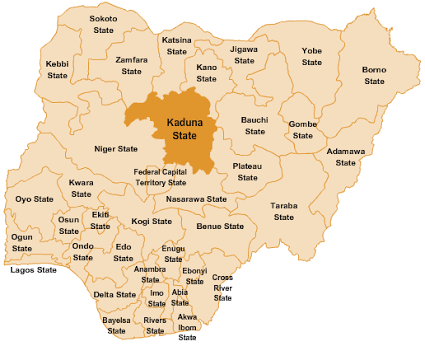
Kaduna State Government has inaugurated a technical committee to oversee the flag-off of its Infant and Young Child Feeding (IYCF) campaign. The campaign is expected to be flagged-off on Friday.
Inaugurating the committee, Deputy Director Primary Healthcare in the State Primary Healthcare Development Agency, Mal. Hamza Ikara, called on members of the committee to be dedicated to the task set before them, owing to the importance attached to the campaign by the State Government.
“The state government is committed to the wellbeing of infants and children, hence the effort to secure their future through early initiation to breast milk and exclusive breastfeeding for six months,” he said.
He said the state government would unveil strategies of reaching couples with the message for their buy-in and sustainability.
The Deputy Director called on all stakeholders across board to support the state government in the success of the campaign from its flag-off.
In a remark, Senior Advisor in the FHI360 Project, Dr. Auwalu Kawu expressed the willingness of his organisation to continue supporting Kaduna state government in the IYCF campaign, saying it will go a long way in shaping the future of Nigerian children.
He said the Alive and Thrive (A&T) project of the FHI360 was set up to save lives of infant and children, as well as ensure their healthy growth and development through promotion of early initiation to breast milk and continuous exclusive breastfeeding.
Ethiopia has arrested Yared Zerihun, former deputy chief of the country’s intelligence agency, state affiliated media outlet Fana Broadcasting Corporate (FBC) reported on Thursday.
Zerihun had served as deputy chief of the Ethiopia National Intelligence and Security Service (NISS) until April.
NISS has in recent years been accused of torturing and killing dissidents and rebels.
FBC reported Zerihun, who had been on the run for several days, was arrested from an undisclosed location on Wednesday.
The arrest of Zerihun is part of a crackdown by the Ethiopian government targeting security officials accused of mass corruption and human rights abuses.
On Monday, Berhanu Tsegaye, Ethiopia’s Attorney General said 63 intelligence and army officers have been arrested over accusations of corruption and human rights abuses during a six years period from 2011 to 2017.
“Some of the suspects have already been presented before court, while we are currently searching for other fugitive suspects,’’ Tsegaye said.
According to him, some of the fugitive suspects are believed to be hiding inside the country, while others are suspected to have escaped to foreign countries.
The arrest of the suspects is part of the promise the new administration of Prime Minister Abiy ahmed, which assumed office in April, made to the public to restore law and order and crack down on high level corruption.
Rise Up, a non-governmental organisation is building a set of leaders from Kaduna and Lagos states to advance the course of education, equity and social justice for girls and women in Nigeria.
This is the second set of cohort leaders the organisation is building in the country under its Leadership and Advocacy Accelerator programme. The first set of 20 cohort leaders, also drawn from the two states, was announced by Rise Up in April and trained to develop strategies that would improve the lives of girls and women in their communities.
A statement by the organisation made available to AFRICA PRIME NEWS reveals that Rise Up is supported by Cummins Inc. to build a ‘global movement of visionary leaders’ dedicated to advancing gender equity.
“We are deeply honoured to partner with Cummins to advance gender equality globally. Rise Up will leverage this new partnership to invest in the vision of girls and women leaders to transform their own lives, families, and countries,” says Rise Up’s Founder and Executive Director, Denise Dunning.
According to the statement, Rise Up has through its network of over 500 leaders directly reached 7 million girls, youth, and women, and advocated for over 100 laws and policies impacting 115 million people in Africa, Latin America, South Asia, and the US.
“Following the Accelerator, Rise Up leaders will also have the opportunity to apply for competitive seed funding to launch their advocacy strategies which work to advance education, equity, opportunity and social justice for women and girls, with a focus on both community-level change and national-scale impact in Nigeria.
“Activating women and girls is at the centre of Rise Up’s methodology, together we empower women and girls to realize their own potential and speak out as leaders in their communities and countries. Rise Up and our allies amplify the voices of women and girls to create a more just and equitable world,” the statement says.
Rise Up is inspired by realities in Nigeria where women and girls face significant obstacles in reaching their full potential and accessing education, health, employment and leadership in the public and private sector.
A recent survey by UBEC shows that there are over 13.5 million out of school children in Nigeria, 60% of them being girls. Another survey by Girl Not Brides, estimates that almost 43% of girls in Nigeria are married off before their 18th birthday. Nearly three in ten Nigerian women have experienced physical violence since age 15.
Rise Up believes that government institutions in Nigeria require support to deliver on the country’s commitment under various international treaties such as the UN/CEDAW, the UNSCR 1325, and the UN Convention on the Rights of the Child (CRC).
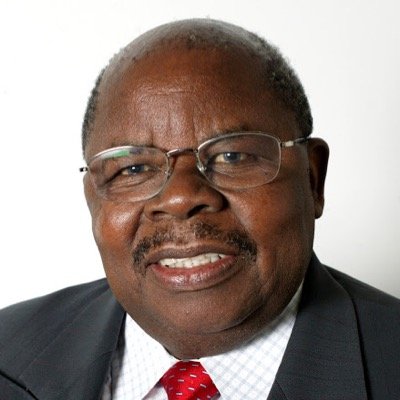
Former President Benjamin Mkapa of Tanzania has called for more efforts by African countries in the fight against corruption and other vices that retarded development.
Mkapa made the call on Friday while delivering the 7th Zik’s Lecture at the Nnamdi Azikiwe University, Awka.
The News Agency of Nigeria (NAN) reports that the lecture had the theme: “Taming the Monster of Corruption in Africa.”
The former president said African countries would remain in vicious cycle of non-development, if corruption could not tackled.
“Corruption cannot be completely wiped but can be tamed,” the former president said.
In his remarks, a former Governor of Anambra and the Vice Presidential Candidate of the PDP, Mr Peter Obi, described corruption as a hydra-headed monster.
According to Obi, corruption kills professionalism, entrepreneurship and hard work as well as renders societies incapable of meaningful development.
“Hard work is behind the development of many countries of the world.
“In these countries, where citizens have equal access to opportunities, each citizen is challenged to work hard; you see their entrepreneurial spirits being challenged.
“In such a situation, each professional strives to achieve his full potentialities, but in a corrupt country, the contrary is the case.
”One can even find a councillor living larger than a university professor because the former has access to the treasury,” Obi said.
Obi said that there was the need to build institutions and entrench processes that would check corruption.
Obi said that he was able to pay contractors, pay over N35 billion pension arrears and do more as Anambra governor because he was able to ‘strangle’ corruption.
Incumbent Gov. Willie Obiano of Anambra, represented by the Secretary to the State Government, Prof. Solo Chukwulobe, said his administration would continue to provide the basic needs of citizens to minimise corruption.
Obiano hailed the efforts of the late Dr Nnamdi Azikiwe, especially in the education sector.
He described Azikiwe as a detribalised Nigerian, who championed the establishment of the University of Nigeria and promoted unity among Nigerians.
In an interview, the Dean of the university’s Faculty of Social Sciences, Prof. Chinyere Okunna, said that the theme in an effort to profer solutions to the challenge of corruption.
“Without fighting corruption, Nigeria and other African countries will continue to lag behind in development,” she said.
The event which was chaired by Senate President Bukola Saraki attracted dignities from all walks of life.
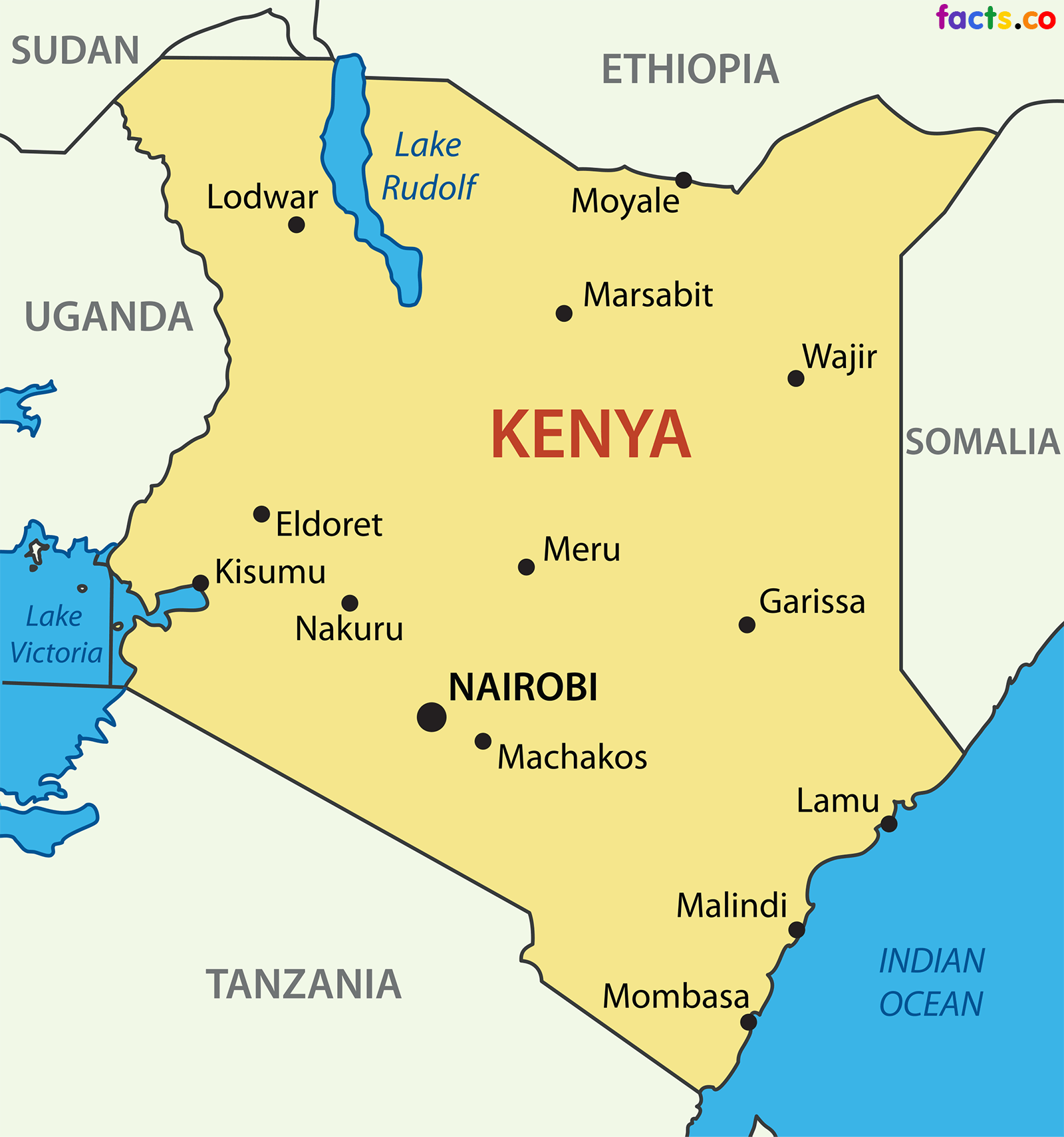
Kenya will on Monday host a forum on innovative strategies to achieve the country’s development blueprint on food security, organisers said on Friday.
The forum, hosted by the ministry of agriculture in conjunction with the country’s investors’ lobby, will be attended by participants from seven African countries.
The organisers said policy makers, industry executives, representatives of multilateral lenders would attend the event slated for Nov. 19 and Nov. 20, to explore new ways to revitalise the food and nutrition security agenda in the east Africa’s largest economy.
The conference, with the theme: “Stimulating Agricultural Productivity in order to Boost Food and Nutrition Security’’, will discuss Big Four’s food security agenda and investment prospects, according to organisers.
It will also discuss what needs to be done to boost economic growth.
President Uhuru Kenyatta has identified food security as part of his Big Four agenda aimed at transforming the country before the expiry of his second and final term in office in 2022.
Kenyatta has appealed to local and foreign investors to support the food security agenda by channelling capital to high impact interventions such as irrigated farming and agro-processing.
“Delegates will share their experiences, present research results, explore collaborations and spark new ideas with the aim of developing new projects and exploiting new technology for food security,” said the organisers.
According to the agriculture ministry, business leaders, state officials, economists and academics will deliver keynote speeches and engage in panel discussions.
The ministry said that they would also explore models that could be adopted to help the country to overcome endemic hunger, malnutrition and stunting.
“The conference will, therefore, examine what needs to be done to build a more dynamic economy in which agriculture drives the manufacturing agenda which, in turn, can ensure enough and affordable food,” the organisers said.
However, Kenya has developed the necessary policies to support a proper framework to increase food production in the country, Deputy President William Ruto said.
Ruto said that putting more land under irrigation would help to alleviate food shortage in the country, adding that, for any nation to improve the nutrition status of its people, it must ensure food security.
Initiative for Food and Nutrition in Africa (IFNA) was launched to accelerate international efforts to alleviate hunger and malnutrition on the African continent.
Welcoming the IFNA initiative for Africa, the deputy president said agriculture and rural development were key to achievement of Kenya’s Vision 2030 and a solution to malnutrition.
Ruto said mechanisation and irrigation were key to improving food production, noting that Kenya had enhanced budgetary allocation to agricultural sector to meet demands of food production.
Ruto said chronic food and nutrition security remains a great national human and economic development challenge for many African countries.
According to him, Kenya is endowed with natural resources to the extent that it has the capacity to be Africa’s breadbasket.
He gave the assurance that the government was prioritising the development of agriculture by adapting irrigation.
Morocco’s Mutandis received green light on Friday to launch an Initial Pubic Offering (IPO) to raise 400 million dirhams (42.1 million dollars), the second this year on the Casablanca Stock Exchange, bourse regulator AMMC said on Friday.
Founded in 2008, Mutandis is an industrial and commercial group, specialising in consumer goods. It owns nine plants in Morocco that produce mainly detergents, canned fish, fruit juice and plastic bottles.
Through the IPO, Mutandis aims to enhance access to funding and boost investments through the acquisition of new industrial plants in Morocco.
They are also setting up others in sub-Saharan Africa, said a prospectus published on AMMC’s website.
“We export a third of our output. Half is sold in Africa and the other half in Western Europe,” Mutandis founder Adil Douiri told a news conference at the Casablanca Stock Exchange.
The Federal Government and Academic Staff Union of Universities (ASUU) have agreed to resume talks next week to resolve the ongoing strike by university teachers.
Dr Chris Ngige, the Minister of Labour and Employment, told newsmen at the end of a closed-door meeting with the union in Abuja on Thursday that the talks had been fruitful.
Thursday’s meeting was called at the instance of the minister.
“We will resume discussions by next week,’’ Ngige said.
Prof. Biodun Ogunyemi, ASUU President, also confirmed that the meeting would continue next week.
“We have just started the discussion, we have really not gone too far, so what we have done today was to open the issues. By tomorrow we should meet and decide when we reschedule the meeting.
” This means that the strike still continues,” Ogunyemi said.
The lecturers resumed strike on Nov. 5 over demands for improved funding of public universities based on agreements reached with the Federal Government in 2009.
Some of the demands by the union are that the Federal Government should nominate another chairman of the government renegotiating team of the 2009 ASUU/Federal Government Agreement to replace Dr Wale Babalakin.
Other issues bothering the union are non-payment of Earned allowance, funding of revitalisation of the Nigerian universities, implementation of needs assessment report, poor funding of state universities, among others.
Those present at Thursday’s meeting were the Permanent Secretary of the Ministry of Education, Mr Sonny Echonu, and Dr Isa Fagge, former ASUU President.
The United Nations and Nigeria’s business leaders have launched the first-ever joint Humanitarian Fund to address the crisis in north-eastern part of the country.
The Nigeria Humanitarian Fund – Private Sector Initiative (NHF-PSI) inaugurated on Thursday in Lagos seeks to raise awareness and support from business leaders who play an important role in the lives of Nigerians.
The News Agency of Nigeria (NAN) reports that the Nigeria Humanitarian Fund became operational in May 2017 and has raised 70 million dollars from 17 donor countries.
The Nigeria Humanitarian Fund is managed by the UN Office for Coordination of Humanitarian Affairs, Humanitarian Financing Unit, Maiduguri.
The partnership with the private sector would see companies in Nigeria support the Fund, and join the donor countries that have already donated to the Fund.
Vice President Yemi Osinbajo, said the fund was an exciting initiative that would yield results in helping the 1.8 million displaced persons in the north-east region.
Osinbajo represented by Mrs Adejoke Orelope-Adefulire, Senior Special Assistant on Sustainable Development Goals, noted that some companies were already providing humanitarian assistance in the region.
“This new initiative will further sharpen the efficiency of these supportive companies by giving them the opportunity to collaborate with the UN and also streamline their humanitarian efforts.
“About 80 per cent of the people who need our help are women and children who continue to suffer deprivation and hardship that you and I may never have to face.
“Therefore, I urge you all to work with this administration in the socio-economic rehabilitation of the region,” he said.
Mrs Amina Mohammed, Deputy Secretary-General, United Nations, said the launch was personal to her considering that she grew in Maiduguri that is now affected by the crisis that had displaced millions and killed over 27,000 people in recent years.
“The creative and generous efforts was about leveraging innovative partnerships between the public and private sector to have real impact.
“Thanks to your vision and generosity, Nigerian business will be able to pool funds, resources and ideas to provide life-saving assistance to the population of North-East Nigeria.
”The Nigeria Humanitarian Fund has already allocated nearly 70 million dollars in the 18 months to meet the urgent, life-saving needs of thousands of Nigeria,” she said.
Mohammed said the fund would deal with the congestion in existing camps and treat hundreds of children with malnutrition.
“The fund also highlights the cross-cutting impact of humanitarian work in health by providing assistance to contain cholera outbreak in north-east considered to be the country’s worst outbreak in the last ten years.
“We at the United Nations are honoured to partner with you in saving lives and extending solutions and support to millions that are in need and to build on the progress made by the Government of Nigeria, by the international community, and by the Nigerian people themselves,” she said.
Mohammed urged businesses to imbibe sustainable business practices that allow initiatives like NHF-PSI to provide humanitarian support in an environmentally friendly and sustainable manner.
Edward Kallon, UN Humanitarian Coordinator, noted that by forging joint enterprise between deeply committed private, public and non-governmental actors, NHF-PSI presented a tremendous opportunity to raise the standard of humanitarian response in Nigeria and around the world.
“Although Nigeria is the largest economy in Africa, over 7 million people in north-east Nigeria are in need of life-saving assistance.
“NHF-PSI is founded on the premise that Nigeria’s private sector not only cares profoundly for its nation’s most vulnerable, but also possesses the vision, resources and natural problem-solving ability to reduce it on an unprecedented scale if harnessed into collective action,” he said.
Also Mr Jim Ovia, Chairman, Zenith Bank Plc, said Nigeria with a population of over 200 million, should see the initiative as a wake-up call to support the fund with their widow’s mite.
“The 70 million dollars was not contributed by Nigerians, launching the NHF-PSI is for us to emulate what other countries have done to assist the humanitarian crisis in our country,” he said.
Ovia said the initiative was the first private sector collaboration with UN and urged other Nigerians to support and make the project sustainable.
The Governor of Borno State, Kashim Shettima, said Boko Haram had done a lot of damage to the state which would take years to rebuild and would cost about 300 million dollars.
Represented by Senator Alli Ndume, Shettima thanked the donors for their humanitarian efforts in the north-east, adding that it would help restore stability and peace to the region.
NAN reports that supporters of the fund are: Zenith Bank Plc, Oando Plc, Ecobank Nig Plc, FirstBank Plc, Access Bank, Unilever, Seplat, Flour Mills Nigeria Plc, Templars Ltd and the Nigerian Economic Summit Group (NESG).